FLASH (First Line local Assistance for Swift Humanitarian response)
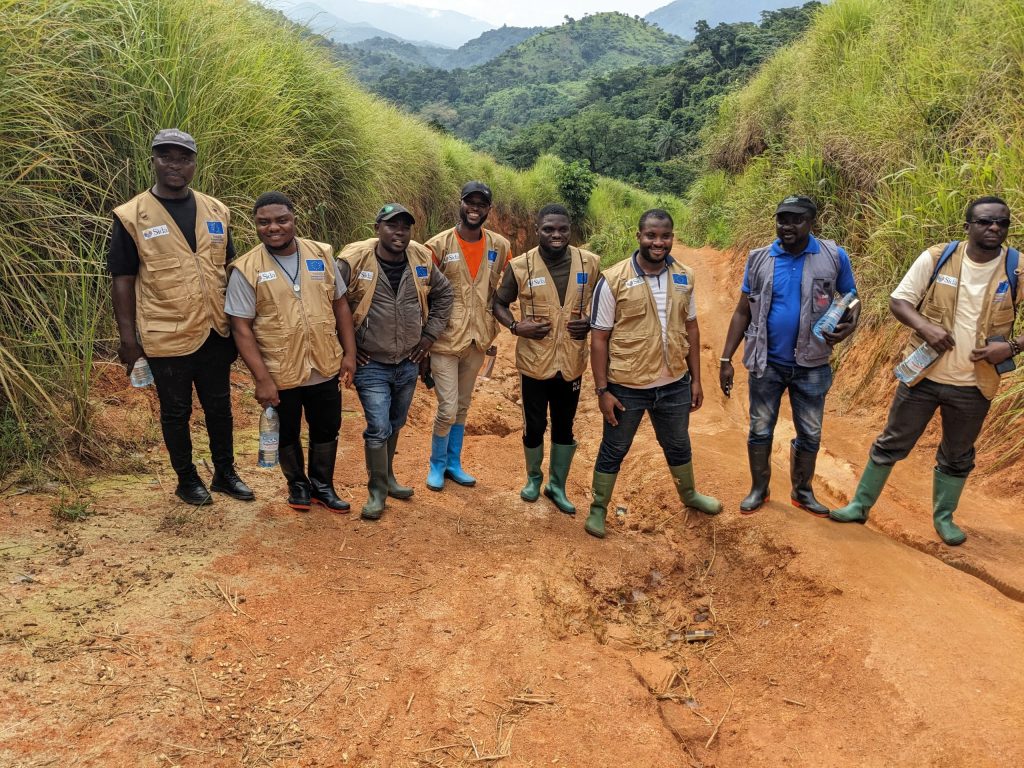
The FLASH (First Line local Assistance for Swift Humanitarian response) initiative represents a comprehensive humanitarian response to the ongoing anglophone crisis in Northwest Region of Cameroon. This pilot Rapid Response Mechanism (RRM), implemented by the Danish Refugee Council (DRC) in partnership with local civil society organizations, addresses the urgent needs of displaced populations and vulnerable communities in this region classified as a “forgotten crisis” by the European Union’s Forgotten Crises Assessment (2022-2023). FLASH Project in the Northwest Region of Cameroon is helping people newly displaced by ongoing conflict. The Northwest Southwest Regions of Cameroon has been experiencing a socio-political crisis that has Displaced multiple individuals from their homes to becoming Internally Displaced Persons (IDP’s). It has also left communities caught in crossfire with daily risks of violence and equally created severe food insecurity. The most affected population are women, children, and displaced families.
The aim of the project is to Implement a pilot localized RRM to enable timely and efficient responses led by CSOs, while strengthening their capacities through tailored technical and organizational support and fostering equitable partnerships. The FLASH initiative proposes an integrated, localized approach built on three interconnected pillars designed to address both immediate needs and longer-term capacity gaps. Through a transparent Call for Expression of Interest, DRC selected two local partners, Green Partner Association (GPA) and Community Initiative for Sustainable Development (COMINSUD) as frontline actors to implement the pilot RRM. Both organizations are based in Bamenda and bring decades of community-based experience to ensure responses are localized, contextually appropriate, and sustainable.
The first pillar focuses on strengthening emergency preparedness capacities of civil society organizations and enhancing rapid response capacities across the Northwest region. Recognizing the need for stronger coordination, GPA and COMINSUD’s interventions will be integrated within the currently limited Northwest emergency response framework. SHUMAS will oversee the Early Warning System, where they trained 18 focal points in Bui division and 12 in Momo division giving a total of 30 focal points for the Early Warning System. These focal points closely work with community key informants who give daily updates on security in their various communities and the FP in turn report to SHUMAS.
The second pillar addresses the immediate food needs of displaced populations through cash-based programming. Food has been consistently identified as the top priority need for IDPs in assessments following new displacements in Northwest Region of Cameroon. The displacement has disrupted livelihoods and severed access to agricultural resources, substantially reducing food availability and forcing households to adopt negative coping strategies to meet their basic needs. The project will address the immediate food needs of 400 newly displaced households through SIDA funding, with an additional 700 households supported through ECHO funding, bringing the total to 1,100 households or approximately 6,600 individuals. The operational approach is designed for rapid response. Upon SHUMAS confirmation of a displacement alert affecting about 50 households, which occurs within 48 hours after a shock, GPA, or COMINSUD with DRC will lead to joint Multisectoral Need Assessment. Within 14 days after validation of the alert, GPA or COMINSUD, jointly with DRC, when possible, will conduct a rapid intervention to respond to the immediate needs of the most vulnerable populations affected by displacement through cash for food to targeted vulnerable households based on Food Consumption Scores and other vulnerability criteria. The feasibility of cash transfers is confirmed through market assessments conducted during the multisectoral assessment. The transfer amount is aligned with the latest Minimum Expenditure Basket value and adapted to household size,
As such:
For 1-4 HH members: 38 000 XAF (ref 4 members)
For 5 HH members: 47 500 XAF (ref 5 members)
For 6 HH members: 57 000 XAF (ref 6 members)
For 7 HH members: 66 500 XAF (ref 7 members)
For 8 HH members: 76 000 XAF (ref 8 members)
For 9-11 HH members: 85 500 XAF (ref 9 members)
Three rounds of cash distribution done for each response and three Post-Distribution Monitoring surveys conducted: one after each cash distribution to assess impact on food security and beneficiary satisfaction. To avoid community tensions and given the high severity of food needs across the region, 10% of host community members will also be targeted for rapid interventions.
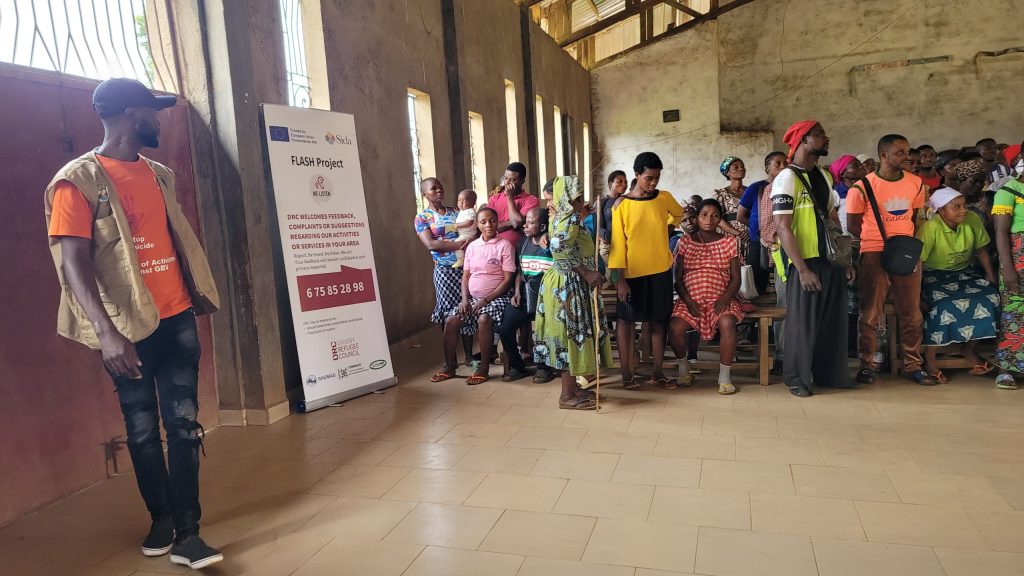
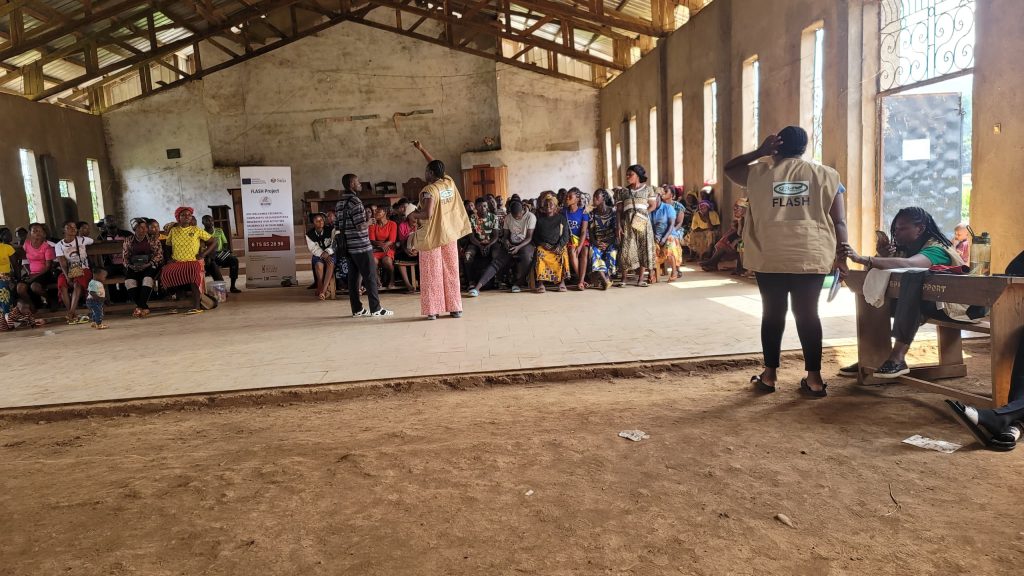
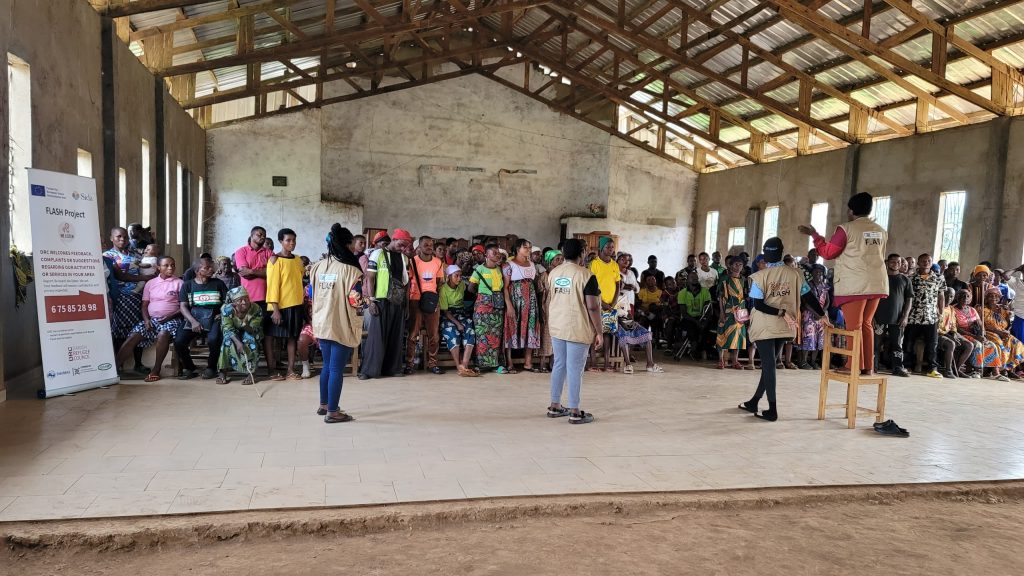
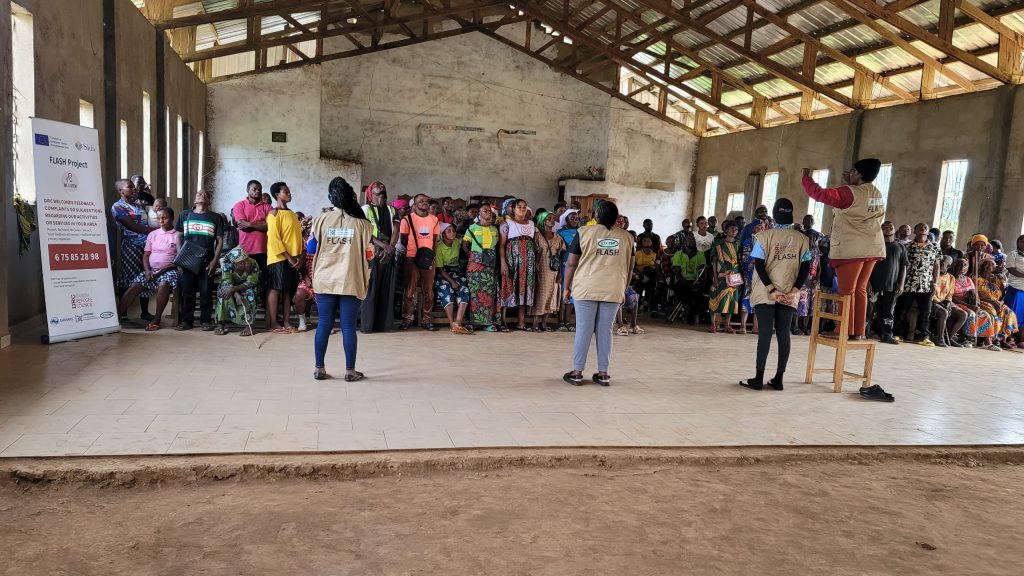
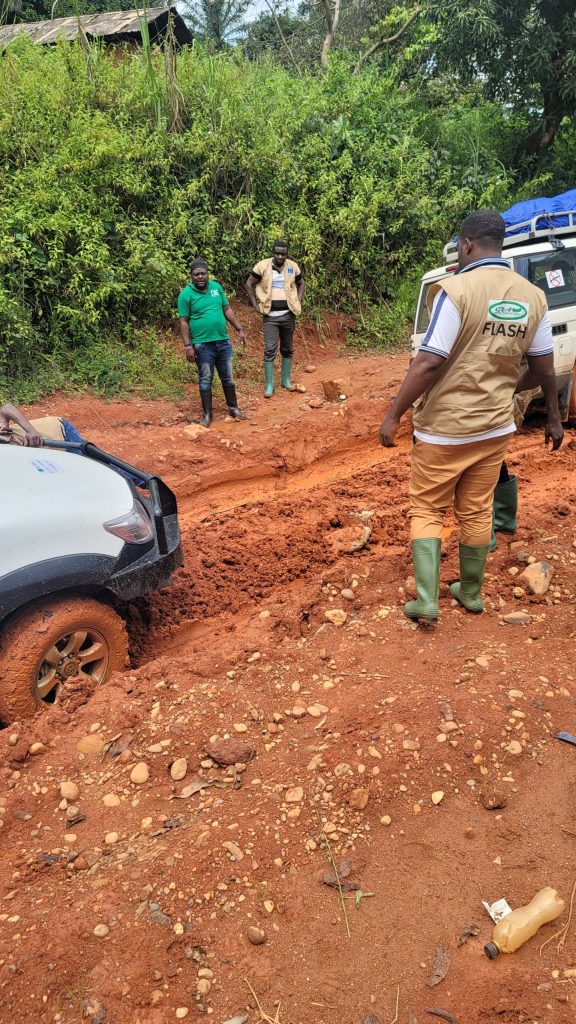
The third pillar delivers emergency protection response and promotes community resilience through awareness-raising and improved access to protection services. The project strengthen the capacity of local actors, including COMINSUD and GPA, through comprehensive training on rapid protection assessments, emergency protection activities such as Psychological First Aid (PFA), psychosocial support and emergency support and referrals, protection mainstreaming, conflict sensitivity, and protection monitoring. Once trained, GPA and COMINSUD will provide urgent protection services upon activation of RRM response in Momo, Bui and Mezam, as well as in other affected divisions through mobile teams.
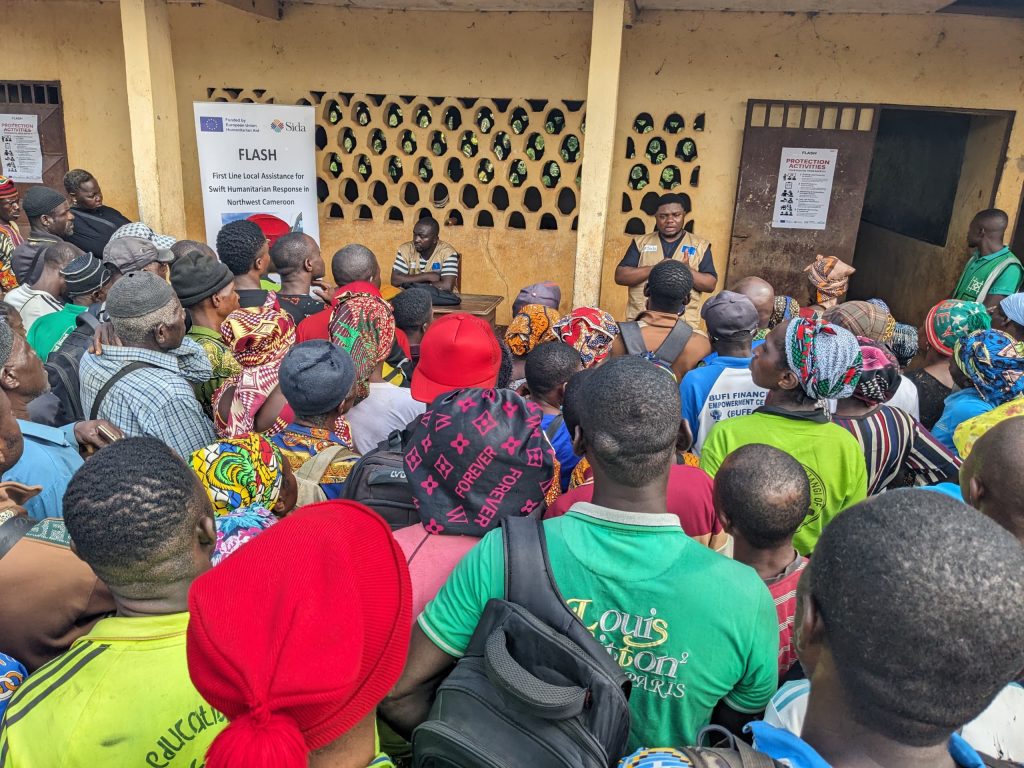
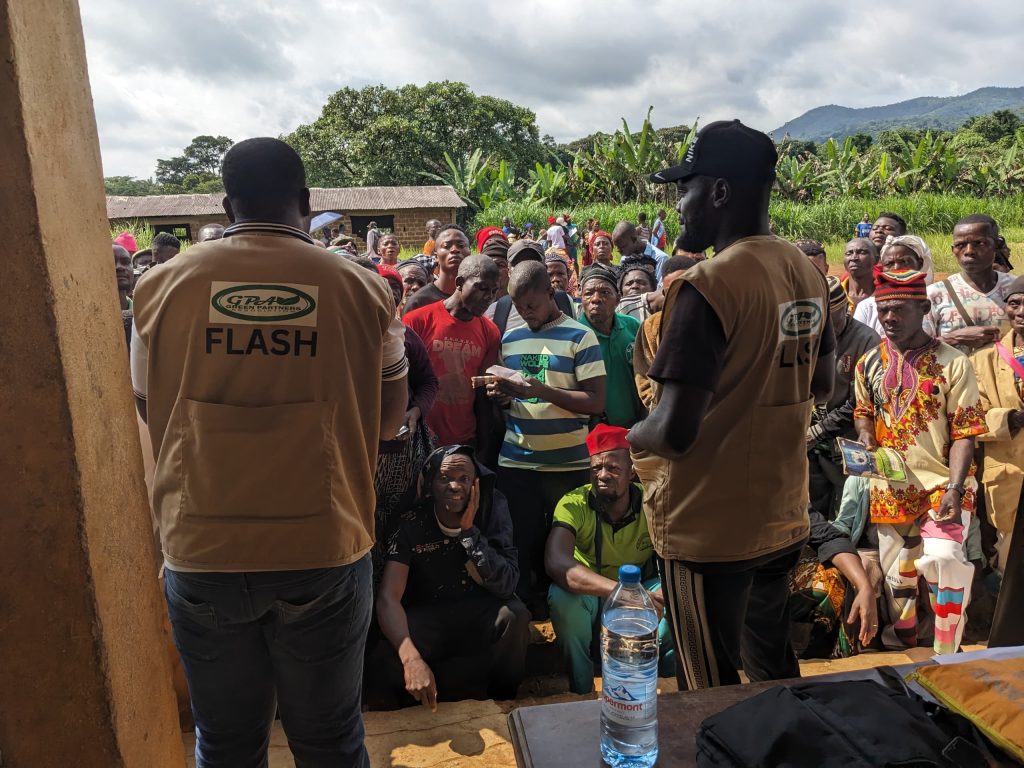
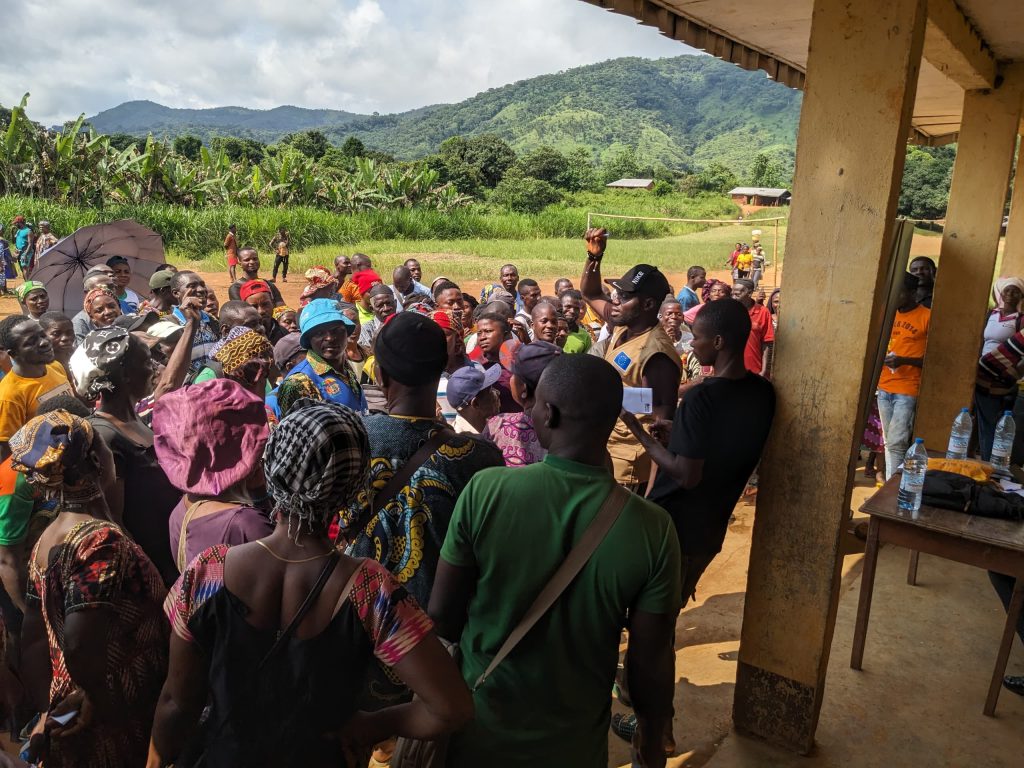
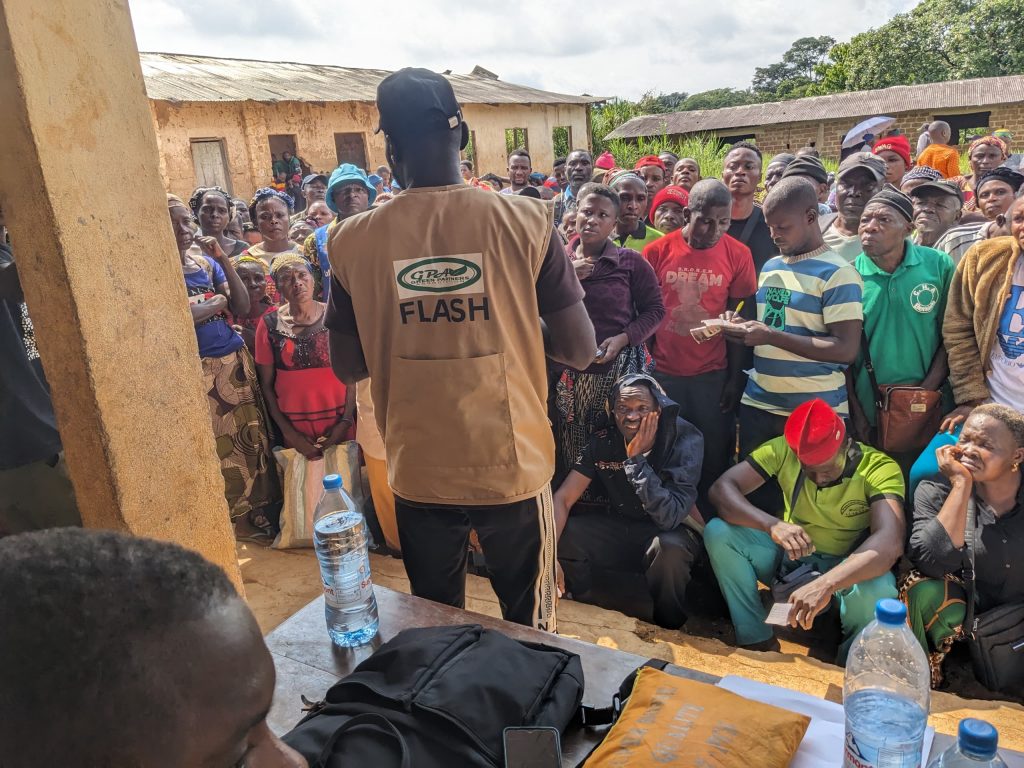
GPA and COMINSUD together with DRC conducted MSA of displaced and host populations, in Benakuma and Benade displaced from neighboring villages such as Uchuachu, Bosung, Imeh, Ikakeh, Kekekumu, Bejinge, covered diverse needs including WASH, Food Security, Livelihood, Protection, NFI. A total of 775 beneficiaries were supported with cash for food for round one distribution led by COMINSUD and 604 for round two led by GPA after verification.